A ballroom full of smart professionals can still feel flat five minutes after lunch. A trade show booth can have a beautiful display and no one stopping. A conference agenda can be packed with strong content, yet attendees remember none of it by the time they reach the airport.
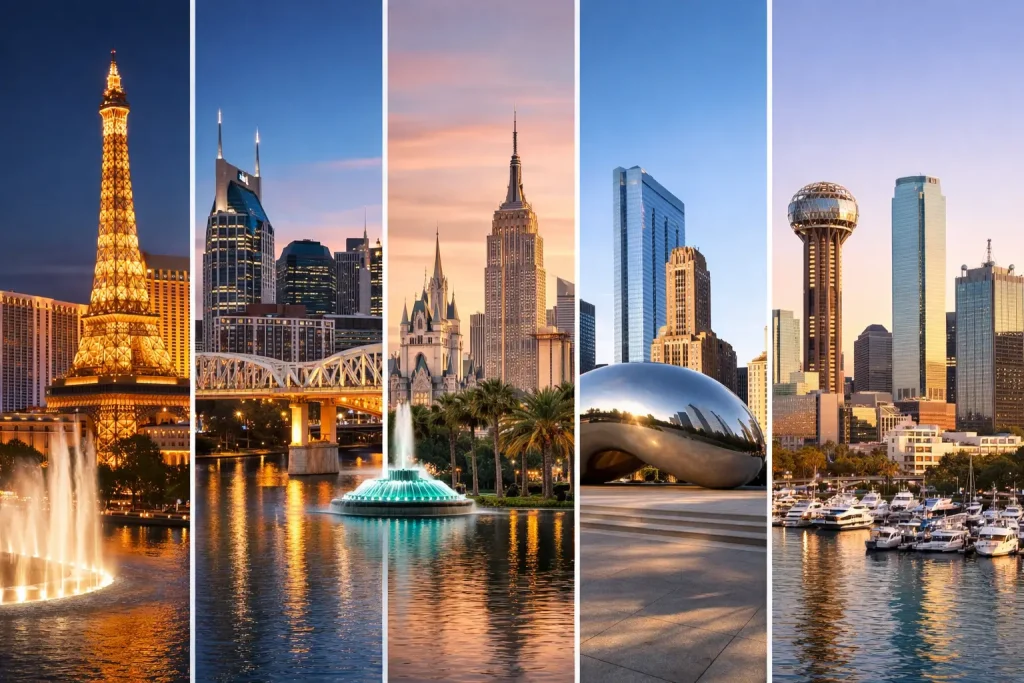
That is the pressure behind corporate events in las vegas, vegas, nashville, orlando, nyc, chicago, san diego, dallas and every other high-stakes meeting market. These cities attract big audiences, serious exhibitors, demanding executives, and attendees who have seen plenty of entertainment before. The answer is not simply to book something flashy. It is to put a live experience in place that changes the energy in the room and supports the reason the event exists.
Big-City Events Need More Than Background Entertainment
Las Vegas and Orlando are built for spectacle. New York City and Chicago audiences move fast and expect polish. Nashville can bring a naturally social, high-energy feel, while San Diego and Dallas often host programs where hospitality, relationship-building, and business outcomes share the spotlight. Every market has its own personality, but event planners face a familiar challenge: how do you create a moment people talk about without letting the program lose its purpose?
Passive entertainment rarely solves that problem. A band may fill the room with sound. A DJ can lift a reception. Both can be excellent choices when the goal is atmosphere. But when your objective is conversation, audience participation, lead generation, message retention, or keeping a room engaged between speakers, interactive entertainment earns its place differently.
Corporate magic, intelligently presented, gives people a reason to stop, look up, laugh, and participate. Better still, it can give your brand a role in the moment rather than leaving it on a banner in the background.
Match the Experience to the Business Goal
The right format depends on what success looks like for your event. Before you compare entertainers, define the outcome you need to create. “We want something fun” is a starting point, not a strategy.
For trade shows: create a crowd with a reason to stay
At an expo, your biggest competitor is often the booth ten feet away. Attendees have limited time, overfull tote bags, and little patience for a generic sales pitch. A customized trade show magic presentation can stop traffic, gather a crowd, and build a natural bridge to your product story.
The key is customization with discipline. The product, benefit, or campaign message should be integrated into the performance in a way that feels surprising, not stapled on at the end. When the effect supports the message, your sales team gets a warmer opening. They are not chasing passersby. They are speaking with people who already chose to stop.
A strong booth strategy also needs a handoff plan. Decide who captures contact information, who begins the conversation, and what happens immediately after the performance. Entertainment creates the opportunity. Your team converts it.
For conferences: manage energy, not just transitions
Conference audiences do not lose focus because the content is weak. They lose focus because they have been sitting, listening, networking, checking email, and moving through long days. Energy management is part of the production plan.
A featured corporate show can reset the room after lunch, open a general session with momentum, or give attendees a shared experience before an important closing message. An experienced emcee can do even more, connecting speakers, handling the unexpected, tightening transitions, and preventing the schedule from feeling like a sequence of disconnected presentations.
This is where a performer with business-event instincts matters. The goal is not to take over the program. The goal is to make the program feel sharper, more alive, and easier for the audience to follow.
For receptions and hospitality events: make networking easier
At a cocktail reception, nobody wants to be forced into an icebreaker. They do want a reason to start talking. Strolling magic and close-up magic work because they create small, personal moments without requiring guests to leave the conversations they are already having.
A skilled performer reads the room. They know when to approach a new cluster of guests, when to include a quiet attendee, and when to step away before the moment wears out. This is especially valuable for client hospitality events, sales kickoffs, holiday parties, and leadership retreats where relationships matter as much as the agenda.
The trade-off is scale. Strolling entertainment excels at connection and flexibility, but it is not designed to deliver one message to every attendee at the same time. If the entire room needs a shared moment, pair it with a brief stage presentation or schedule a focused program segment.
What Changes From Vegas to NYC – and What Does Not
The venue, schedule, and audience makeup should shape the execution. A casino resort ballroom in Vegas may need a high-impact opening that can command attention quickly. An NYC executive dinner may call for elegant close-up interaction rather than a full production. A large Orlando convention program may benefit from repeated trade show presentations built around the flow of the exhibit hall.
But the fundamentals do not change. Your entertainment partner should arrive prepared, respect the production timeline, coordinate with your AV team, understand brand boundaries, and make your guests feel like participants rather than spectators.
That reliability is not a bonus. It is part of the performance.
Questions to Ask Before You Book
A polished demo reel is useful, but it does not tell you whether the performer can support your particular event. Ask how they adapt material for a corporate audience, what they need from the venue, and how they work around meal service, keynote timing, exhibit hall noise, or last-minute agenda changes.
For trade shows, ask exactly how the messaging will be included and how often presentations can run. For a conference emcee, ask how they prepare with speakers and production teams. For a reception, ask how many guests can realistically be engaged during the available time.
You should also be honest about your audience. A high-energy sales team, a mixed international group, and a room of senior leaders may all respond to different pacing and interaction styles. The best corporate entertainment does not treat those audiences as interchangeable.
Build the Entertainment Into the Run of Show
The most memorable moments are usually planned early, not dropped into an agenda at the last minute. Once you know your event objective, decide where live interaction can do the most work.
At a trade show, schedule presentations around peak traffic and coordinate your sales team’s follow-up. At a conference, use entertainment where attention naturally dips or where a major message needs reinforcement. At a reception, position interactive entertainment during the first portion of the event, when guests are arriving and conversations have not fully formed.
Give the performer the details that affect delivery: your audience profile, company language, important messages, sensitive topics, event attire, room layout, and the names of the people responsible for production decisions. The more strategically the experience is planned, the less it feels like an add-on.
Make the Room Remember Why It Gathered
A corporate event does not need more noise. It needs the right kind of attention. Whether you are producing a high-volume exhibit experience in Orlando, an executive event in NYC, a national meeting in Chicago, or a hospitality program in Dallas, choose entertainment that earns engagement and gives it a business purpose.
Mike Seege brings that combination of showmanship and event strategy to the room: creating genuine reactions while helping brands generate conversations, strengthen recall, and keep their programs moving. When the lights come up and the schedule gets tight, the best choice is the one that makes your audience feel the event was built for them.