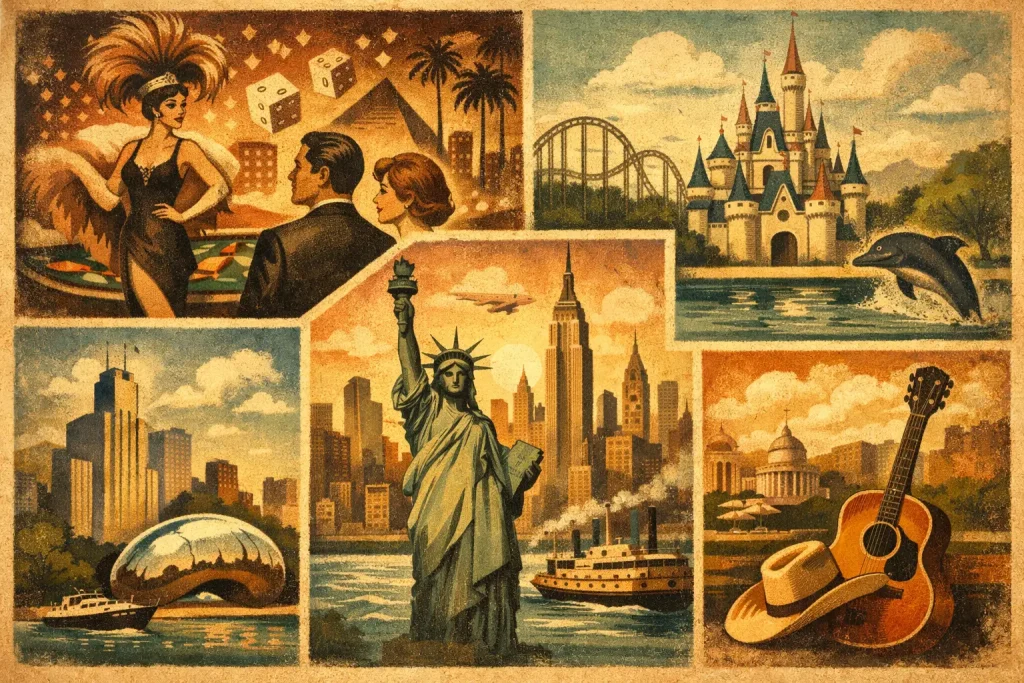
A corporate event can look impressive on paper and still lose the room by 2:30 p.m. That is the real challenge across Las Vegas, Vegas, Orlando, Chicago, NYC, Nashville, and Las Vegas: not finding a venue, but creating an experience that keeps attendees present, talking, and ready to act.
For planners, exhibitors, and internal event leaders, the city matters because each market changes the pace, the room setup, and what your audience expects. The right corporate magician, emcee, or interactive entertainment program should not simply fill time. It should create energy when the agenda drags, make your message stick, and give people a reason to remember your company after the event ends.
Las Vegas, Orlando, Chicago, NYC, and Nashville Have Different Event Rhythms
These are major meeting destinations, but they are not interchangeable. A performance that lands beautifully at a high-volume Las Vegas convention may need a different format for an executive dinner in Manhattan or a relationship-driven gathering in Nashville.
Las Vegas audiences arrive surrounded by spectacle. They have seen flashing lights, massive production, and more entertainment than they can process. That does not mean corporate entertainment has to be bigger and louder. It means it has to be sharper. A close-up magician working a reception can cut through the noise by creating impossible moments inches from a guest’s hands. A headline corporate show needs fast pacing, genuine audience participation, and a polished presentation that feels worthy of the city without trying to compete with every casino production on the Strip.
Orlando is often built around conferences, association meetings, incentives, and multi-day programs. Attendees may be balancing packed education schedules, client meetings, and family travel. Here, entertainment has a job to do: reset attention. An engaging conference opener, interactive after-dinner show, or skilled emcee can turn a tired ballroom into a room that is ready for the next message.
Chicago frequently brings together serious business audiences in industries where time, substance, and professionalism carry weight. The entertainment choice has to respect that. A strong performer earns attention quickly, stays intelligent without becoming overly formal, and makes the experience feel tailored to the organization rather than dropped in from another event.
NYC events tend to have compressed schedules, discerning guests, and limited patience for anything that feels generic. Hospitality suites, product launches, client dinners, and leadership meetings need talent that can read a room immediately. Strolling magic is especially effective when guests are networking because it creates a natural conversation point without stopping the entire evening.
Nashville offers a warm, social setting that makes connection feel central to the event. That is ideal for interactive programming, receptions, awards dinners, and team experiences. The key is avoiding entertainment that feels like a passive add-on. When the room is part of the action, the energy carries into the conversations that matter afterward.
Start With the Business Result, Not the Entertainment Category
The most common planning mistake is asking, “What kind of entertainment should we have?” before asking, “What needs to happen in this room?” Those are very different questions.
If the goal is to increase trade show booth traffic, a customized magic presentation can stop attendees, communicate a concise brand message, and give salespeople a better opening than “Can I tell you about our solution?” The performance becomes the attraction, while the product benefit becomes part of the memorable moment. That is entertainment working as a lead-generation tool.
If the goal is a better reception, strolling magic is often the smart choice. It moves with the crowd, gives people something to share, and prevents the familiar pattern of guests clustering with colleagues they already know. It is not a stage show forced into a cocktail hour. It is social fuel.
If the goal is to maintain momentum through a conference agenda, an experienced emcee can be more valuable than another speaker. A strong emcee keeps transitions crisp, reinforces the event theme, acknowledges sponsors with personality, and recaptures attention before the next presentation. That protects the investment you made in every person who takes the stage.
For team-building programs, the result may be better communication, more collaboration, or a fresh way for teams to solve problems together. The right interactive experience gives people a shared challenge and a memorable win. It should feel fun, but it should also reveal the habits that help teams perform under pressure.
Match the Format to the Moment
A single event may need more than one type of engagement. That is not overproduction. It is smart programming.
At a Las Vegas trade show, for example, a booth presentation can draw a crowd during high-traffic hours, while close-up magic gives the sales team a flexible engagement tool during quieter periods. At an Orlando conference, an emcee can carry the general session while a headline performance closes the day with a high-energy shared experience.
For a Chicago awards dinner, the formula may be different. Guests usually want a sophisticated evening that moves efficiently. A polished stage show after dinner can create a clear peak moment, while short interactive elements throughout the program keep the awards from becoming a long sequence of names and applause.
In NYC, space can be the deciding factor. A private dining room or rooftop venue may not allow for a full stage setup, but that does not reduce the opportunity. Intimate close-up magic can feel more exclusive than a large production because every group gets a personal, impossible experience.
Nashville corporate groups often benefit from entertainment that encourages participation without making people feel exposed. That distinction matters. Volunteering should be inviting, never awkward. The best audience interaction makes participants look good and lets everyone else enjoy the moment with them.
What a Reliable Corporate Performer Solves Behind the Scenes
Event entertainment is not only about what happens onstage. It is also about preventing friction before the first guest arrives.
Corporate planners need a performer who can work with the venue, understand the run of show, arrive prepared, communicate technical needs clearly, and adjust when a meal service runs long or a keynote goes over. The live-event world rewards adaptability. A planned 45-minute show may need to become a tighter 30-minute program. A reception may suddenly move indoors. A trade show crowd may build earlier than expected.
That flexibility should not dilute the result. It should protect it.
Mike Seege approaches corporate magic as part performance, part event strategy. The objective is not simply applause. It is a fuller booth, a warmer room, a smoother program, stronger conversations, and an event that reflects well on the person who booked it.
Questions to Ask Before You Book
Before choosing entertainment for Vegas, Orlando, Chicago, NYC, or Nashville, get specific about the audience and the moment. Is this a client-facing event where brand perception is everything? Is it an internal meeting where energy has been low? Are attendees walking a trade show floor with hundreds of competing distractions? Is the agenda built around networking, education, recognition, or sales?
Then consider logistics. How many guests will be present? Will they be seated, standing, rotating through a booth, or moving between sessions? What is the available performance area? Is sound support included? How much time is available for setup and transitions?
Finally, ask what guests should say afterward. “That was fun” is fine. “I finally understand what that company does,” “Our team actually connected,” or “That was the best part of the conference” is far more valuable.
The city may set the stage, but the outcome comes from choosing entertainment that earns attention and puts that attention to work. Build the moment your audience did not expect, and give them a reason to carry it into the next conversation.